Stretch marks are among the most common skin concerns, and the market around them is crowded with products and procedures that promise more than the evidence supports. Before spending money on stretch mark treatment in Alpharetta or anywhere else, it helps to know three things: what a stretch mark actually is, why timing changes what treatment can do, and which options have evidence behind them. This guide covers all three, including the limits.
What Stretch Marks Are and Why They Develop
The medical term is striae. A stretch mark forms when skin stretches or shrinks faster than it can adapt, which tears the collagen and elastin network in the dermis, the skin’s supportive middle layer. Common triggers include pregnancy, growth spurts, rapid weight gain or loss, muscle gain from training, and certain medical conditions or medications. Genetics play a large role in who gets them, which is why two people can go through the same pregnancy with very different skin afterward. The American Academy of Dermatology’s overview of stretch marks covers the causes and risk factors in detail.
Because the damage sits in the dermis while the surface stays intact, a stretch mark is structurally a scar. Like other scars, it is permanent: treatment can make marks less noticeable, sometimes considerably, but nothing removes them completely, and any provider who promises removal is promising something the tissue cannot do.
Red Marks and White Marks: Why Timing Matters
New stretch marks appear red, pink, or purple because the recently torn tissue still has active blood supply. Over months to years, marks mature and fade toward white or silver on their own, settling into stable scar tissue. This natural fading is worth knowing about in itself: some of the improvement people attribute to products is simply the mark maturing.
Timing is the single most important factor in treatment response. According to the AAD, treatment appears to have far more effect on early-stage marks, while mature white marks respond much less. Red or recently formed marks are where creams, prescription options, and procedures have shown their results in studies. If your marks are new and they bother you, acting early gives treatment its best chance. If your marks are years old, realistic expectations matter more, and the conversation should be about modest blending rather than transformation.
What Creams Can and Cannot Do
The evidence here is more specific than most marketing suggests. Studies reviewed by the AAD found that popular home remedies, including almond oil, cocoa butter, olive oil, and vitamin E, did not fade stretch marks or prevent them. Moisturizers still have a role in comfort, since stretching skin is often itchy, and keeping skin hydrated is reasonable during pregnancy.
Some topicals do have evidence for early marks. Tretinoin, a prescription retinoid, made early stretch marks less noticeable in a study where it was applied nightly for 24 weeks, and products with hyaluronic acid made early marks less noticeable in two large studies. Retinoids should not be used during pregnancy, and anyone breastfeeding should talk with their physician before using them. In short, the right cream, used early and consistently, may help somewhat, and no cream repairs the dermal damage behind a visible mark.
Professional Treatment Options
Dermatologists and aesthetic practices treat stretch marks with several procedure categories, including chemical peels, laser therapy, microdermabrasion, radiofrequency, and ultrasound. The AAD’s position is a sensible benchmark for all of them: these procedures can make stretch marks less noticeable, none of them removes marks, and side effects such as temporary redness and swelling are usually minor when treatment is performed by a qualified provider. Energy-based treatments on stretch marks can also carry a risk of pigment changes, particularly in deeper skin tones, which is a screening conversation to have anywhere you go.
How Seranova Treats Stretch Marks
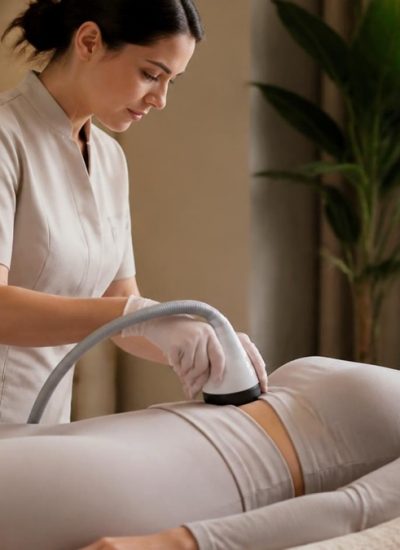
Seranova Sculpt & Beauty treats stretch marks with Mono RF, a monopolar radiofrequency device that delivers controlled heat into the dermis to stimulate collagen production within the damaged tissue. Published evidence for radiofrequency on stretch marks covers the technology category as a whole; results differ by device, settings, and protocol, and expectations for Seranova’s specific device come from the practice’s own clinical experience rather than an independent study of that device. Under the practice’s protocol, a standard course is six sessions, typically one per week, with settings adjusted for newer versus mature marks. The session feels like concentrated warmth with constant motion, requires no needles or numbing, and most clients return to their normal day immediately, with any pinkness usually settling within hours.
Expectations follow the evidence. Newer marks are treated with the goal of meaningful blending in depth, color, and texture. Mature marks are approached with openly modest goals, and if an assessment suggests your marks are unlikely to respond enough to justify a course, that is what you will hear. Progress is judged against your documented starting point, reviewed again two to three months after the course ends, because collagen changes develop gradually. The client’s part here is small but real: keeping the weekly cadence, following the aftercare given at each session, and holding realistic expectations, particularly for mature marks. No eating or exercise habit removes stretch marks, so no such promise appears in your plan. Stretch marks also frequently appear alongside loose skin after pregnancy or weight change, and in that case one combined plan makes more sense than two separate ones, drawing on the approaches in our guides to non-surgical skin tightening and loose skin after weight loss.
When to See a Dermatologist Instead
Most stretch marks are a cosmetic concern. A medical visit makes sense when marks appear suddenly and extensively without an obvious cause such as pregnancy or rapid growth, when they come with other symptoms, or when you want prescription options such as tretinoin evaluated for your situation. A dermatologist can also rule out underlying conditions that occasionally drive new striae.
Have Your Marks Assessed
Seranova Sculpt & Beauty is located at 3245 N Point Pkwy, Suites 101 & 102, Alpharetta, GA 30005, serving Alpharetta, Johns Creek, Roswell, Milton, and North Atlanta. Schedule your consultation online or call (770) 415-8833, and you will get a specific, stage-based answer about what treatment can and cannot do for your marks.